
Delhi is a Union Territory (UT) of India. Officially known as the National Capital Territory (NCT) of Delhi, it is the most populous UT in the country. The Government of India operates from New Delhi, which is one of the 13 districts of Delhi and serves as the capital of India. Here are some interesting facts about Delhi. Let’s read.
Interesting facts about Delhi

It the largest city in India
Delhi is the largest city in India. The three different municipal corporations of Delhi – (Municipal Corporation of Delhi, New Delhi Municipal Council, and Delhi Cantonment Board) together cover an area of around 1,500 square kilometers.
It is the most populous city in India
Delhi is the most populous city in India as per recent estimates. Mumbai, the capital of Maharashtra, is the second most populous city in the country.
(Also read: Top 10 most populated cities in India)
Delhi has one of the largest Metro Systems in the world
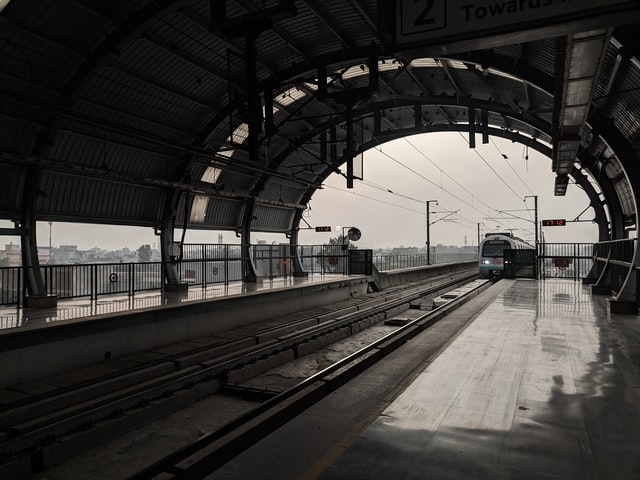
The Delhi metro operated by Delhi Metro Rail Corporation (DMRC) is one of the largest metro systems in the world. The total length of the Delhi metro system is approximately 416 kilometers (303 stations). Delhi metro is also one of the most environment-friendly metro systems in the world.
Monuments and World Heritage sites in Delhi
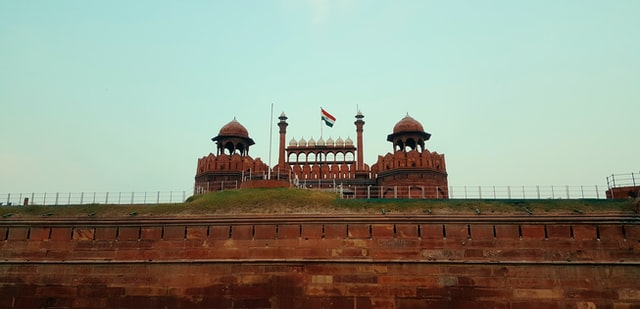
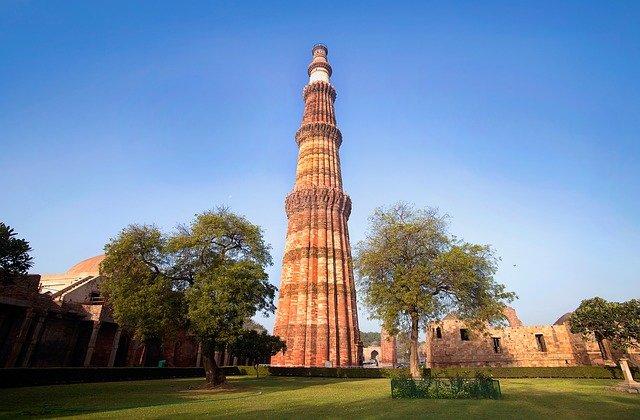
Delhi is famous for its monuments and Heritage sites. There are three UNESCO World Heritage sites in Delhi – the Red Fort Complex, Qutb Minar and its Monuments, and Humayun’s Tomb. Delhi is the sixth most visited state/UT in India by foreign tourists. Top tourist destinations in Delhi are the 3 UNESCO World Heritage Sites, the India Gate, Akshardham Temple, etc.
The busiest airport in India is in Delhi
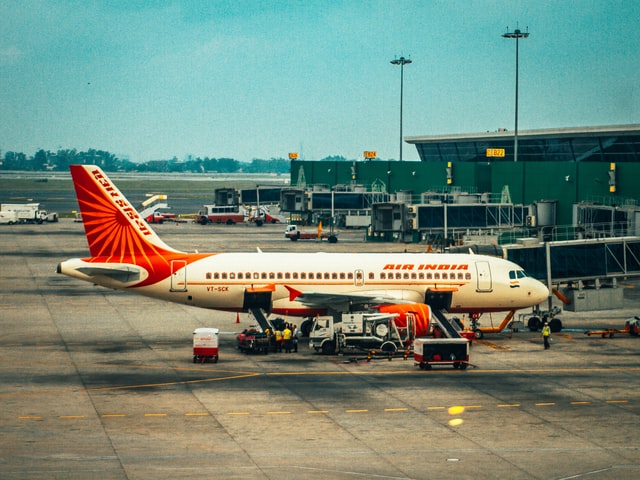
The Indira Gandhi International Airport in Delhi is the busiest airport in India. The airport has an area of 5,106 acres and has three major terminals.
Climate of Delhi
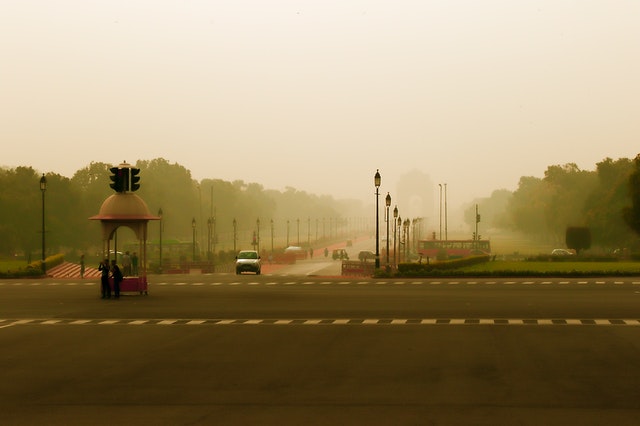
Delhi experiences extreme seasonal variations, with very hot summers and cold winters. The difference between peak summer and winter temperatures is quite significant. During summer, temperatures can exceed 45°C, while in winter, they can drop to around −2°C on rare occasions. The average annual rainfall in Delhi is approximately 700 mm.
Districts of Delhi
There are 13 districts in Delhi:
- Central Delhi
- Central North Delhi
- East Delhi
- New Delhi
- North Delhi
- North East Delhi
- North West Delhi
- Old Delhi
- Outer North Delhi
- South Delhi
- South East Delhi
- South West Delhi
- West Delhi
Borders of Delhi
Delhi is bordered by Uttar Pradesh to the east and by Haryana on all other sides.
Yamuna: The lifeline of Delhi

The Yamuna River is often considered the lifeline of Delhi. It is one of the most important rivers in North India. The Yamuna plays a crucial role in supporting Delhi’s large population by providing a significant share of its water needs.
Delhi receives an average annual rainfall of around 700 mm, most of which occurs during the monsoon season. Limited rainfall during the rest of the year increases the city’s dependence on the Yamuna, a perennial river that ensures a more consistent water supply.
Seat of the Indian government
Most offices of the Government of India are located in Delhi. In addition, key institutions such as the Supreme Court of India, the Parliament of India, and the Rashtrapati Bhavan are all situated in the city.
Delhi has the largest spice market in Asia

The spice market at Khari Baoli, a street in Delhi, is the largest spice market in Asia. It sells spices not only from India but also from various parts of the world.
Economy of Delhi
Delhi has the largest economy among all Union Territories. Overall, it ranks as the 13th largest economy in India (2025-26). The major contributors to Delhi’s economy are the services and industrial sectors.
Basic facts about Delhi
| State animal | Nilgai |
| State tree | Flamboyant (Gulmohar) |
| State bird | House sparrow |
| Literacy rate | 86.21 % (2011 census) |
| Number of districts | 13 |
Read more