
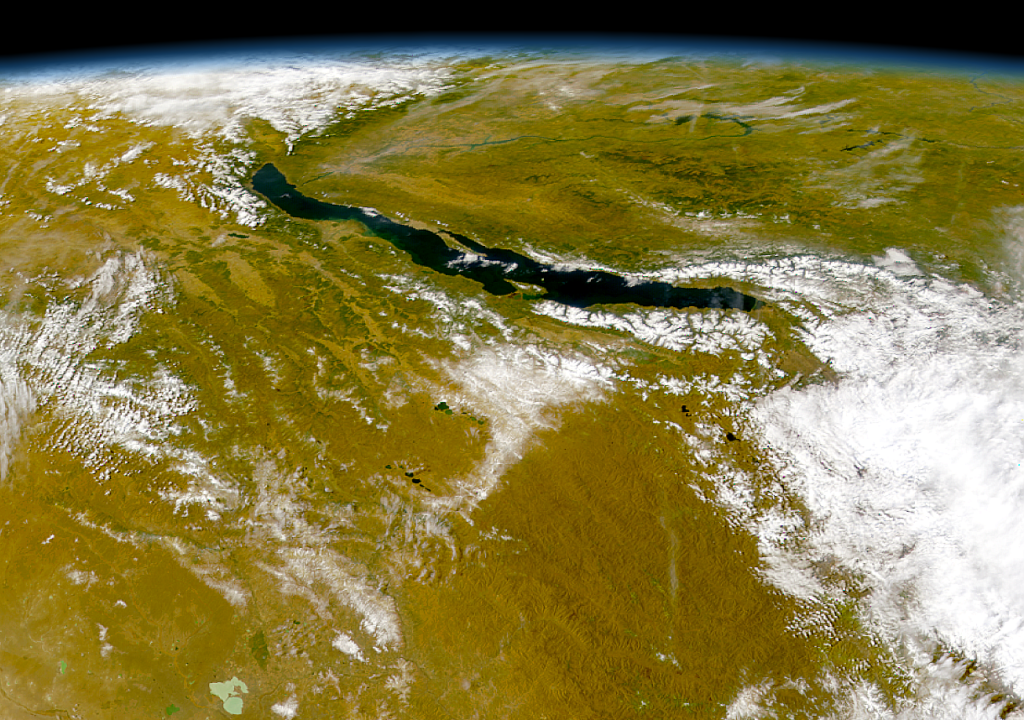
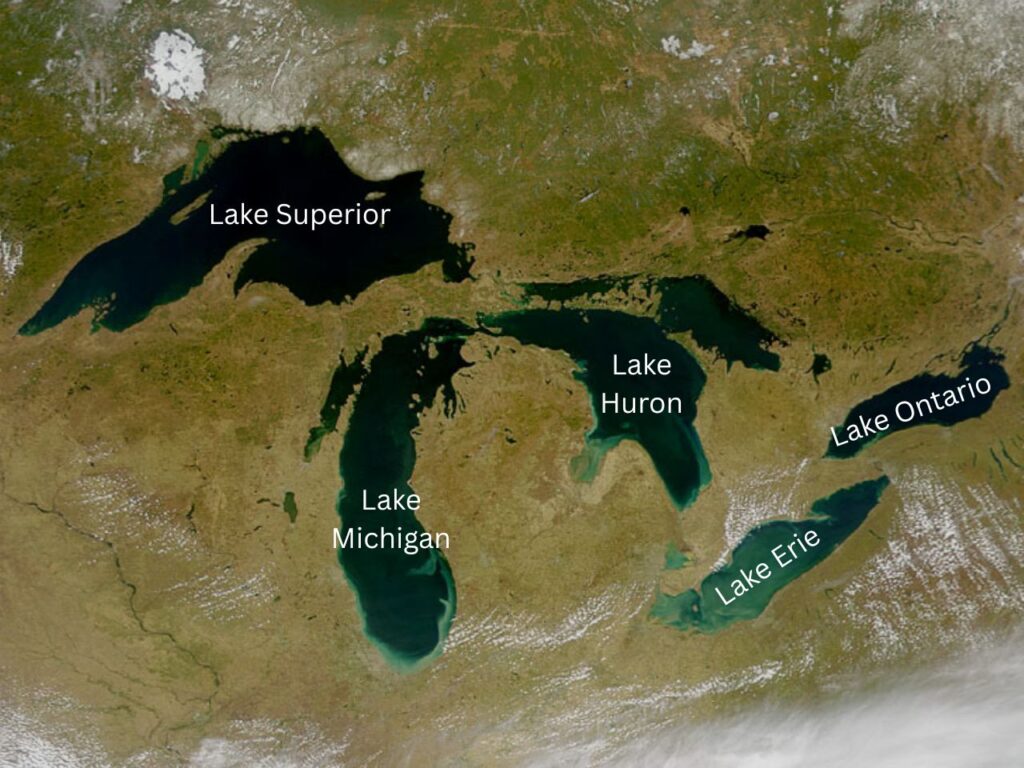
Lake Baikal in Russia and Lake Superior, shared by the United States and Canada, are among the largest lakes in the world. Let’s compare these two giant lakes in terms of surface area and water volume.
Lake Baikal vs Lake Superior: Area comparison
Lake Superior is significantly larger than Lake Baikal by surface area. In fact, Lake Superior is the largest freshwater lake in the world by area. It has a surface area of approximately 82,100 sq km (31,700 sq miles). Lake Baikal, on the other hand, has a surface area of approximately 31,720 sq km (12,250 sq miles). Lake Superior is more than 2.5 times larger than Lake Baikal by surface area.
Which lake holds more water: Baikal or Superior?
Lake Baikal, because of its enormous depth, holds vastly more water than Lake Superior. It is the deepest lake in the world, with a maximum depth of 1,642 meters (5,387 feet) and an average depth of about 744 meters (2,441 feet). Lake Superior is relatively shallow in comparison, reaching a maximum depth of 406 meters (1,333 feet) and an average depth of around 147 meters (483 feet).
In fact, Lake Baikal contains more water than all five North American Great Lakes combined. It is the largest freshwater lake in the world by volume.
(Also read: Top 10 largest lakes in the world by area)
Comparison table
| Lake Baikal | Lake Superior | |
|---|---|---|
| Country | Russia | United States and Canada |
| Water type | Fresh | Fresh |
| Area | approximately 31,720 sq km (12,250 sq miles) | approximately 82,100 sq km (31,700 sq miles) |
| Volume | approximately 23,600 km³ | approximately 12,100 km³ |
| Maximum depth | 1,642 meters (5,387 feet) | 406 meters (1,333 feet) |
| Average depth | approximately 744 meters (2,441 feet) | approximately 147 meters (483 feet) |
Conclusion
- Lake Superior is larger than Lake Baikal by surface area.
- Lake Baikal is larger than Lake Superior by water volume.
Read more