
The Ganga River, also known as the Ganges, is one of the most important rivers in India. It supports millions of people by providing water for drinking, agriculture, and other daily needs. The river is also deeply connected with Indian culture, religion, and history. From its origin in the Himalayas to its vast delta near the Bay of Bengal, the Ganga has many fascinating features. Let’s explore 10 interesting facts about the Ganga River.
10 Interesting Facts About the Ganga River
The Ganga River Originates in the Himalayas
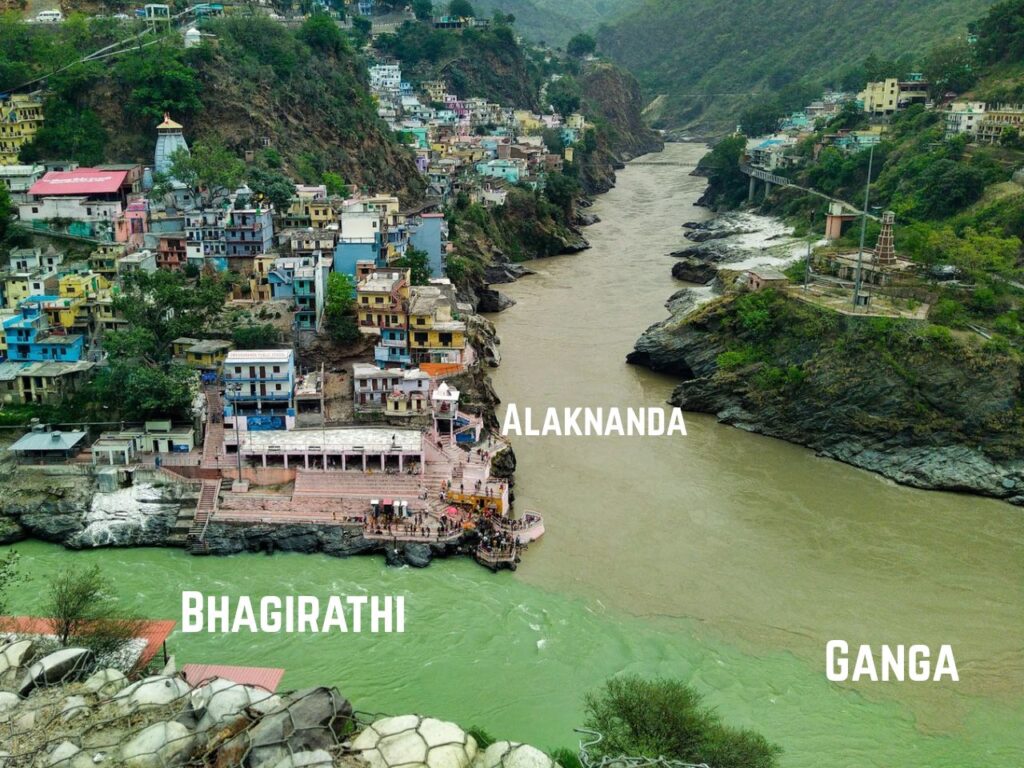
The Ganga River originates in the Himalayan region of Uttarakhand, India. Its two main headstreams, the Bhagirathi and the Alaknanda, flow through the Himalayas and meet at Devprayag. The Bhagirathi originates from the Gangotri Glacier system, while the Alaknanda has its source in the Satopanth Glacier region. From their confluence at Devprayag, the river is known as the Ganga.
The Ganga is One of the Longest Rivers in Asia
The Ganga is one of the longest rivers in Asia, with a length of approximately 2,525 km within India. Its river system extends across a large part of northern India before continuing into Bangladesh through connected waterways.
The Ganga flows through the states of Uttarakhand, Uttar Pradesh, Bihar, Jharkhand, and West Bengal. Along its course, several major rivers join it as tributaries e.g.,
- Yamuna joins Ganga at Prayagraj, Uttar Pradesh
- Ghaghara joins Ganga at Revelganj, Bihar
- Gandak joins Ganga near Patna, Bihar
The Ganga Flows Through India and Bangladesh
The Ganga flows through northern India and enters Bangladesh, where its main channel is known as the Padma. In Bangladesh, it joins the Jamuna, the main channel of the Brahmaputra, and eventually connects with the Meghna river system before reaching the Bay of Bengal.
The connected river network forms one of the world’s largest delta systems. This extensive network of rivers, distributaries, and waterways plays an important role in the lives of millions of people in India and Bangladesh.
The Ganga River Forms Part of the World’s Largest Delta
The Ganga and Brahmaputra river systems, together with the Meghna River, form the Ganges Delta, also known as the Ganges-Brahmaputra-Meghna Delta. It is widely recognized as the world’s largest delta and extends across Bangladesh and parts of eastern India.
The Sundarbans, a famous mangrove forest region, lies within this delta. It is known for its rich biodiversity and is home to the Bengal tiger, along with numerous species of birds, fish, reptiles, and other wildlife.
The Ganga Basin is One of the Most Densely Populated River Basins
The Ganga River basin supports a very large population and is one of the most densely populated major river basins in the world. Its fertile plains provide favorable conditions for growing crops such as rice, wheat, sugarcane, and pulses. Several major Indian cities, including Haridwar, Kanpur, Prayagraj, Varanasi, and Patna, are located along the banks of the Ganga.
The Ganga is Considered Sacred in Hinduism

The Ganga holds a special place in Hinduism and is worshipped as a sacred river. It is personified as the goddess Ganga and is associated with purity, spiritual cleansing, and liberation.
Millions of pilgrims visit sacred locations along the river each year. Haridwar, Prayagraj, and Varanasi are among the best-known pilgrimage destinations associated with the Ganga.
The Ganga River Hosts the Kumbh Mela
The Kumbh Mela, one of the largest religious gatherings in the world, is held at four locations in India. Two of these locations, Haridwar and Prayagraj, are associated with the Ganga River. At Haridwar, pilgrims gather along the banks of the Ganga to take a holy dip, while at Prayagraj, the festival takes place at the Triveni Sangam, where the Ganga meets the Yamuna River.
The Ganga is Home to the Endangered Ganges River Dolphin
The Ganga river system is home to the Ganges river dolphin (Platanista gangetica), an endangered freshwater dolphin. These dolphins live in river habitats in India, Bangladesh, and Nepal, particularly in the Ganga-Brahmaputra river systems and their tributaries.
Ganges river dolphins have small eyes and rely heavily on echolocation to navigate and find prey in murky water. They face threats from habitat degradation, pollution, fishing-related injuries, and changes in river flow. Their presence is an important indicator of the ecological health of freshwater habitats.
The Ganga Faces Serious Pollution Challenges
Despite its cultural and ecological importance, the Ganga faces significant pollution challenges. Untreated or inadequately treated sewage, industrial wastewater, agricultural runoff, and solid waste can affect water quality in different stretches of the river.
The Indian government has launched many initiatives to reduce pollution, improve sewage treatment, restore river habitats, and promote conservation. However, maintaining the river’s health requires continued investment, effective wastewater management, and cooperation among communities and authorities.
The Ganga Supports Agriculture and Biodiversity
The Ganga plays a vital role in supporting agriculture across the Indo-Gangetic Plain. Water from the Ganga and its tributaries is used for irrigation, while sediments deposited by the river help maintain fertile soils across many areas. The Ganga River system also supports a variety of aquatic life, including freshwater turtles, fish, and Ganges river dolphins. Its wetlands, floodplains, and connected habitats provide important breeding and feeding grounds for many species. Protecting these ecosystems is essential for conserving biodiversity and supporting the communities that depend on the river.
Read more