
The neem tree (Azadirachta indica) is an evergreen tree native to the Indian subcontinent and parts of Southeast Asia. It is one of the most widely recognized and valued trees in India, thanks to its many traditional uses and beneficial properties. Often described as a “boon to mankind,” the neem tree has played an important role in traditional medicine, agriculture, and everyday life for centuries. In this article, we will explore 10 interesting facts about the neem tree and discover what makes it so remarkable.
10 Interesting Facts About the Neem Tree
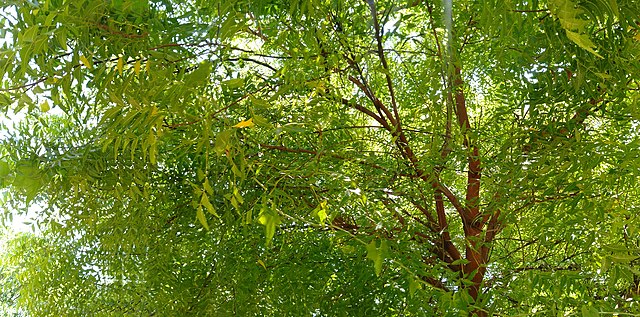
• Neem trees can reach heights of up to 40 meters, although they typically grow to about 15 to 20 meters tall. Their broad, rounded crowns provide ample shade from the Sun. For centuries, neem trees have been planted around homes, temples, and monasteries in India. Besides providing shade, their foliage can help cool the surrounding area by reducing the amount of sunlight that reaches the ground.
• Neem trees are native to the Indian subcontinent and parts of Southeast Asia. They have been introduced to many other regions, including Africa, South America, Australia, and the Middle East. Thanks to their ability to tolerate heat and dry conditions, neem trees can grow in tropical, subtropical, and semi-arid climates.
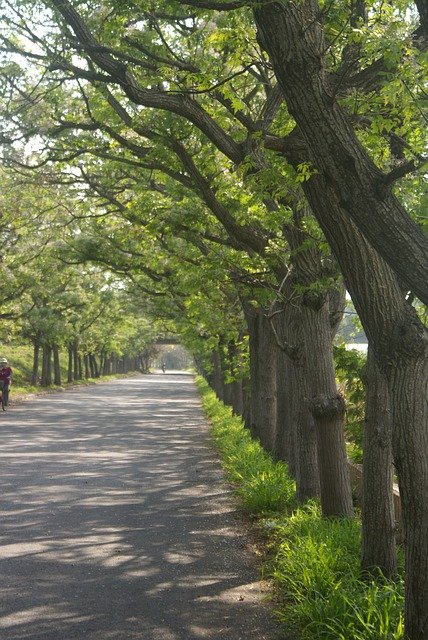
• Neem trees are well adapted to hot climates and can tolerate high temperatures and prolonged dry conditions. However, they are sensitive to frost and prolonged exposure to cold weather. In regions with cooler winters, neem trees may shed some or all of their leaves, particularly when temperatures drop significantly.
• Neem (Azadirachta indica) belongs to the mahogany family (Meliaceae).
• The word “Neem” is derived from the Sanskrit word ‘Nimba’.
• Neem oil is extracted from the seeds of the neem tree and is widely used in various hair and skin care products. It is also used as an ingredient in natural insecticides because it contains compounds that can help repel insects and disrupt the life cycles of certain pests.
• Neem-based pesticides have been used in traditional farming in India for centuries. They are valued as alternatives to some synthetic pesticides because certain compounds in neem can repel insects and disrupt their growth and reproduction. When used appropriately, these products can help protect crops from insect pests. However, their effects on beneficial insects and the wider environment depend on the product’s formulation and how it is applied.
• Neem leaves are used in some traditional Indian recipes, particularly in regional cuisines. They contain minerals such as calcium and iron, along with various plant compounds that have antioxidant properties. However, claims that eating neem leaves improves metabolic rate should be supported by reliable scientific evidence, and neem leaves should not be consumed in large quantities without appropriate guidance.
• Neem wood is used for firewood, furniture, and other woodworking purposes. It is relatively hard and durable, making it suitable for products such as cabinets, doors, and household furniture. Although it is less widely used for high-end furniture than teak and rosewood, neem wood is valued for its natural resistance to certain insect pests, including termites, though its resistance can vary depending on the conditions.
• Using neem twigs, known as neem datun, to clean teeth is a traditional oral hygiene practice in India.
Read more