
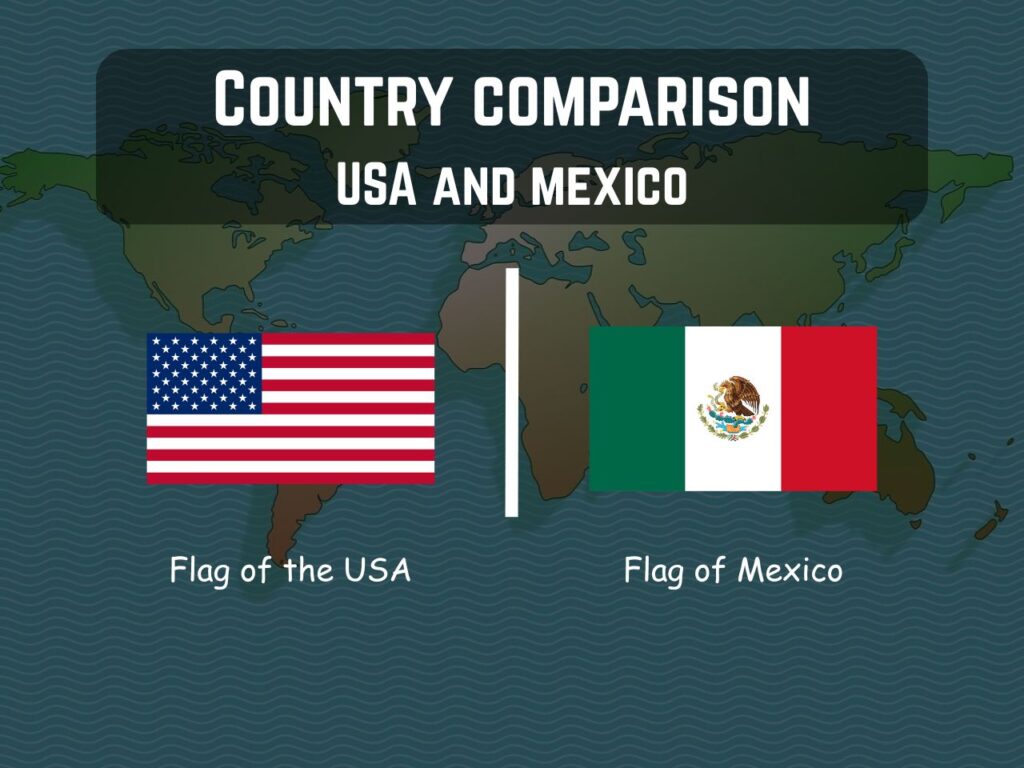
The following is a comparison between the United States of America (USA) and Mexico, the two most populous countries in North America. Let’s read.
USA and Mexico – country comparison
GDP
The United States has a significantly larger economy than Mexico and also a much higher GDP per capita. The United States is the world’s largest economy by nominal GDP and has major strengths in technology, finance, manufacturing, and healthcare. Mexico has one of the world’s largest economies, with key sectors including manufacturing, automotive production, oil and gas, agriculture, tourism, and services. The table below compares the GDP and GDP per capita of the United States and Mexico.
| 2025 (IMF) | USA | Mexico |
|---|---|---|
| Currency | United States Dollar | Mexican Peso |
| GDP (nominal, USD) | $30.77 trillion | $1.83 trillion |
| GDP per capita (nominal, USD) | $89.99 thousand | $13.74 thousand |
| GDP (PPP, international $) | $30.77 trillion | $3.43 trillion |
| GDP per capita (PPP, international $) | $89.99 thousand | $25.68 thousand |
Source: International Monetary Fund (IMF)
Population
The United States has a larger population than Mexico. However, Mexico is more densely populated. The table below compares the population, total fertility rate (TFR), and the percentage of the population in different age groups in the two countries.
| 2025 estimate | USA | Mexico |
|---|---|---|
| Population | 347.3 million | 132 million |
| Population aged 0-14 | 17% | 24% |
| Population aged 15-64 | 65% | 67% |
| Population aged 65 and older | 18% | 9% |
| Total fertility rate, per woman | 1.6 | 1.9 |
Source: United Nations Population Fund (UNFPA)
Life
| USA | Mexico | |
|---|---|---|
| Life expectancy at birth (2023/UN) | 79.3 | 75.07 |
| Human Development Index rank (2023) | 17th | 81st |
| Human Development Index value | 0.938 | 0.789 |
Overview
The United States is roughly five times larger than Mexico in terms of total area.
| USA | Mexico | |
|---|---|---|
| Area | approximately 9.8 million sq km | approximately 1.97 million sq km |
| Population | 347.3 million (2025 estimate) | 132 million (2025 estimate) |
| Capital city | Washington, D.C. | Mexico City |
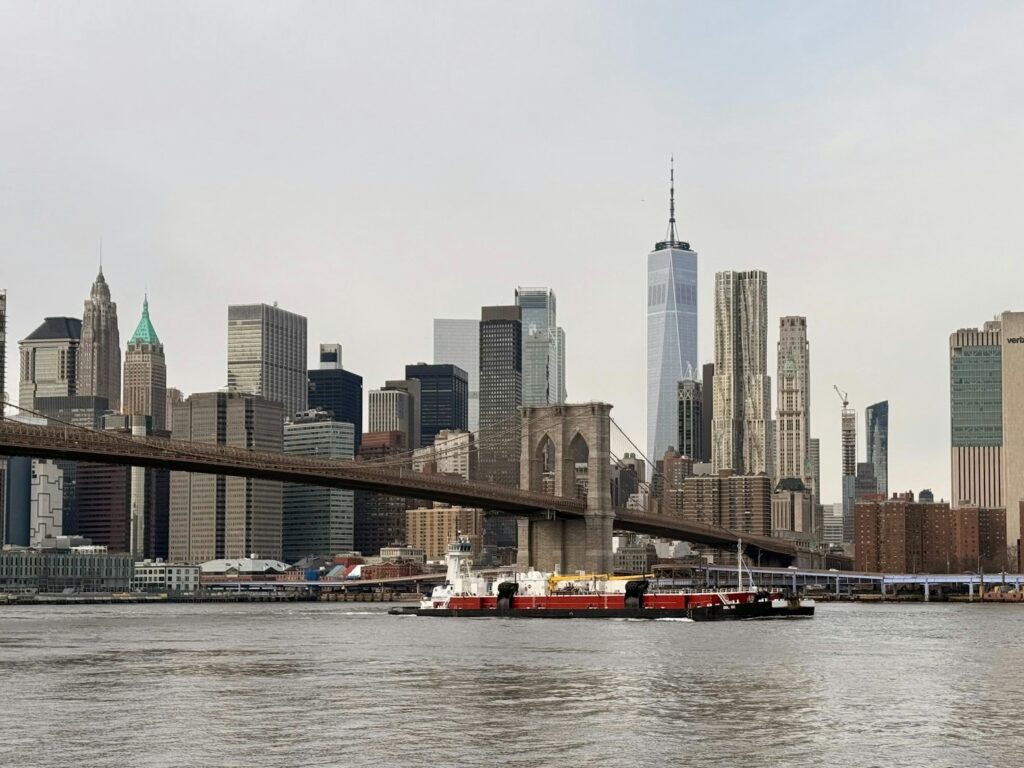
| Largest city | New York City | Mexico City |
| Largest metropolitan area | New York metropolitan area (Tri-State area) | Greater Mexico City |
| Most spoken language | English | Spanish |
| Most popular sport | American football | Football (Soccer) |
Geography
| USA | Mexico | |
|---|---|---|
| Continent | North America | North America |
| Forest cover (2023) | 33.9% | 33.6% |
| Total number of time zones | 11 | 4 |
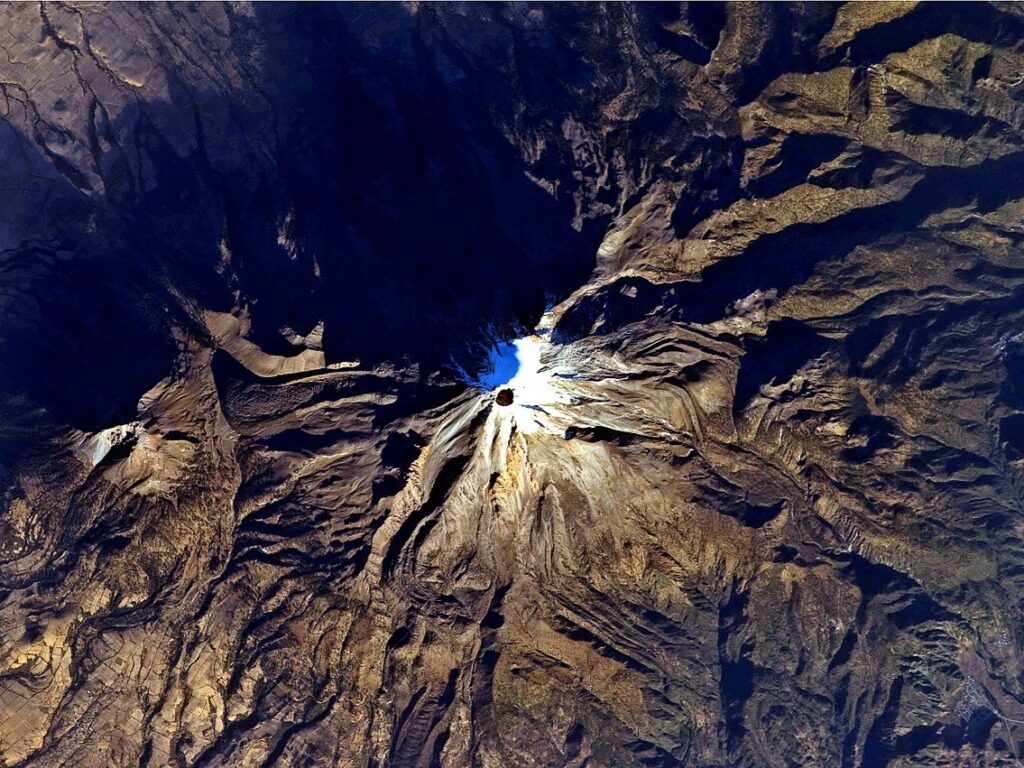
| Highest mountain | Denali/Mount McKinley (6,190 m/20,310 ft) | Pico de Orizaba/Citlaltépetl (5,636 m/18,491 ft) |
| Largest island | Hawaii Island (10,430 sq km/4,028 sq miles) | Tiburón Island (1,201 sq km/464 sq miles) |
| Largest lake | Lake Superior (shared with Canada); Lake Michigan (entirely within the United States) | Lake Chapala |
Tourism
| USA | Mexico | |
|---|---|---|
| International tourist arrivals | 72.4 million (2024) | 45 million (2024) |
| Number of UNESCO World Heritage Sites | 27 | 36 |
| Popular places to visit | New York City, Los Angeles, Chicago, Yellowstone National Park, San Francisco, Yosemite National Park, Grand Canyon, etc. | Mexico City, Chichén Itzá, Tulum, Cancún, Cabo San Lucas, Puerto Vallarta, etc. |
(Also read: USA vs Canada | USA and Canada – country comparison)
Climate
Both Mexico and the United States have a wide range of climate zones. In general, Mexico remains warmer than the United States.
Number of states
The United States consists of 50 states and the federal district of Washington, D.C. Mexico is made up of 32 federal entities: 31 states and Mexico City, the nation’s capital.
Wildlife
Mexico is a biodiversity hotspot, home to about 10-12% of the world’s biodiversity. The United States also has rich biodiversity, largely due to its vast size and wide range of ecosystems.