
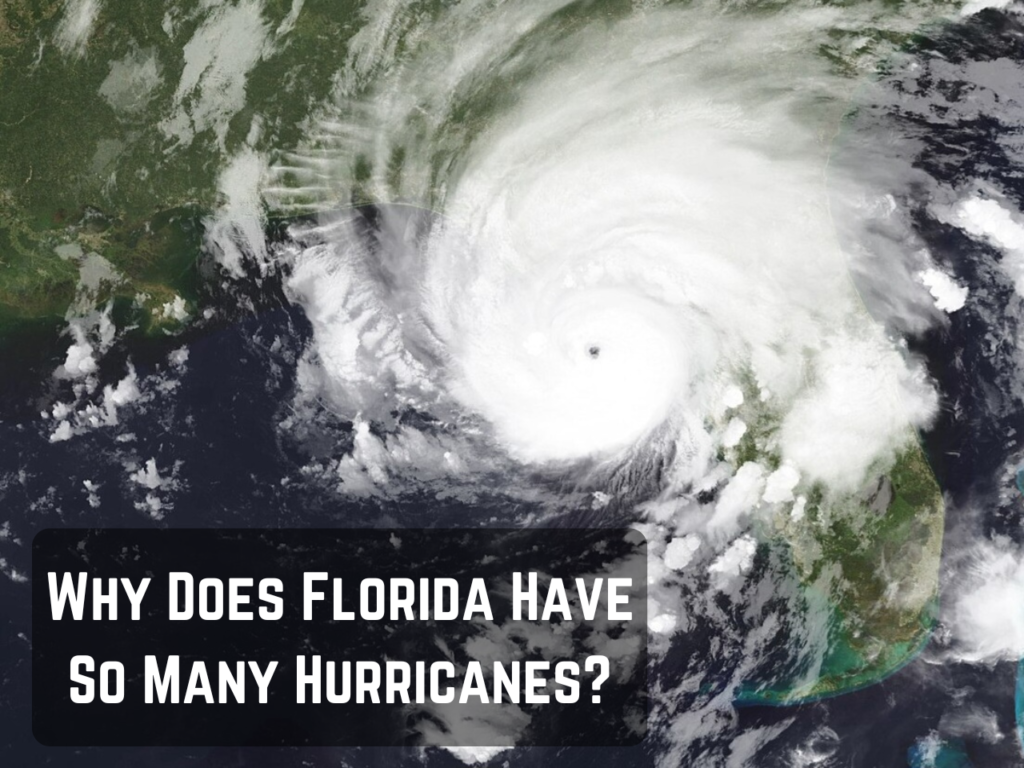
If you’ve ever wondered why Florida has so many hurricanes, the answer lies in its geography, climate, and ocean temperatures. Surrounded by warm waters on three sides and positioned in the path of tropical storms, Florida is naturally exposed to more hurricanes than any other US state.
Why does Florida have so many hurricanes?
1. Warm ocean waters around Florida fuel hurricanes
Florida is surrounded by warm ocean waters, needed to sustain hurricanes. The Atlantic Ocean, the Gulf of Mexico (Gulf of America), and the Caribbean Sea all have warm waters, often above 80°F (27°C), which is the minimum temperature needed to sustain hurricanes.
These warm waters act like fuel. As a hurricane moves over them, it gains energy, allowing it to strengthen and maintain its structure.
2. Florida sits right in the path of most Atlantic hurricanes
Florida sits directly in the path of many tropical storms and hurricanes that develop near the equator. Many Atlantic hurricanes begin as tropical waves off the west coast of Africa. These storms are pushed westward by trade winds, often traveling across the Atlantic toward the Caribbean and the southeastern United States.
3. Florida’s long coastline increases exposure
Florida has the longest coastline in the contiguous United States. This dramatically increases the chances of a hurricane hitting somewhere in the state. Even if a storm does not make a direct hit, Florida can still experience strong winds, heavy rain, flooding, and storm surge.
4. Favorable atmospheric conditions in Florida
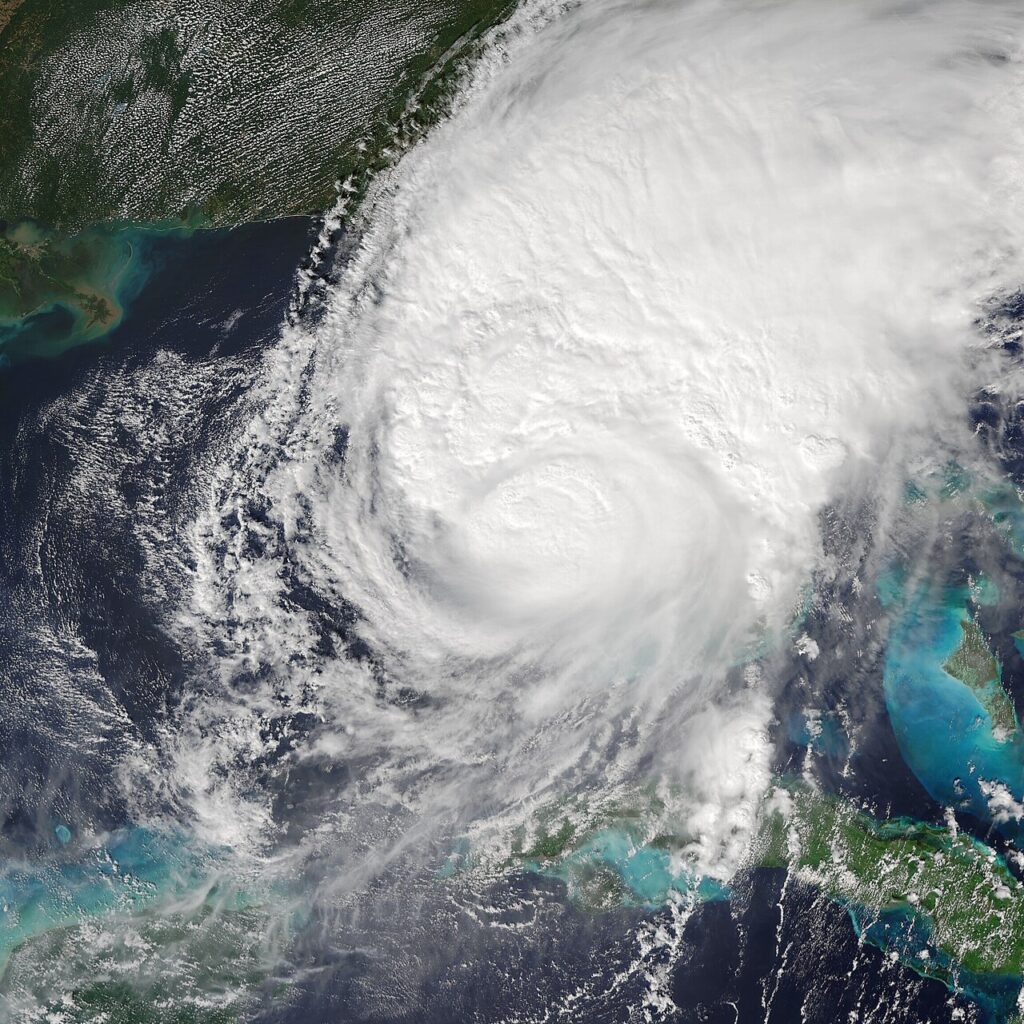
During hurricane season (June 1 to November 30), Florida often experiences atmospheric conditions that support storm development. These include low wind shear (which allows storms to stay organized) and moist air (which helps storms grow stronger).
Late summer and early fall are especially dangerous because ocean temperatures are at their warmest, and atmospheric conditions are most favorable for intense hurricanes.
Read more