
Canada is one of the world’s largest and most geographically diverse countries. It is known for its vast wilderness, stunning landscapes, rich natural resources, and multicultural society. Here are 10 interesting geography facts about Canada. Let’s read.
Geography Facts About Canada
1. Overview
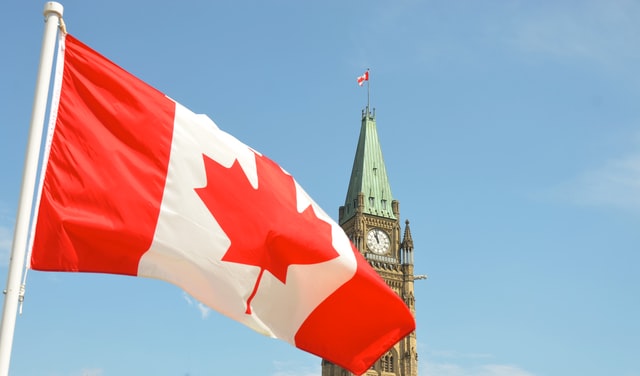
Canada is the second-largest country in the world by total area, covering approximately 10 million square kilometers (3.86 million sq mi). Its population is around 40.1 million (2025 estimate). Located in North America, Canada stretches from the Atlantic Ocean in the east to the Pacific Ocean in the west and extends northward to the Arctic Ocean.
2. Canada has a very low population density
Canada is one of the least densely populated countries in the world, with a overall population density of just 5 people per square kilometer of land. Population centers are concentrated in the southern part of the country, particularly near the border with the United States. In contrast, the vast northern regions are sparsely populated, with large areas having little to no permanent population.
3. Canada shares the world’s longest international border
Canada shares the world’s longest international land border with the United States, stretching for approximately 8,891 kilometers (5,525 miles). The border is not continuous; it consists of two separate sections. The main section runs along the southern edge of Canada, while the other lies between Canada and Alaska in the northwest.
4. Canada has more lakes than any other country
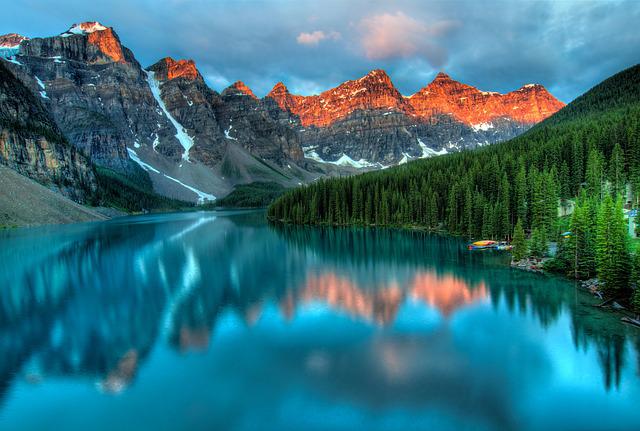
There are millions of lakes in Canada, largely because of its glacial history. During the last Ice Age, massive glaciers carved out deep depressions in the land. When the ice melted, these depressions filled with water, forming countless lakes across the country. Today, these lakes cover a significant portion of Canada and contain a large share of the world’s freshwater.
Some of the largest lakes in Canada are:
- Lake Superior: 82,100 square kilometers
- Lake Huron: 59,600 square kilometers
- Great Bear Lake: 31,328 square kilometers
5. Canada has the world’s longest coastline
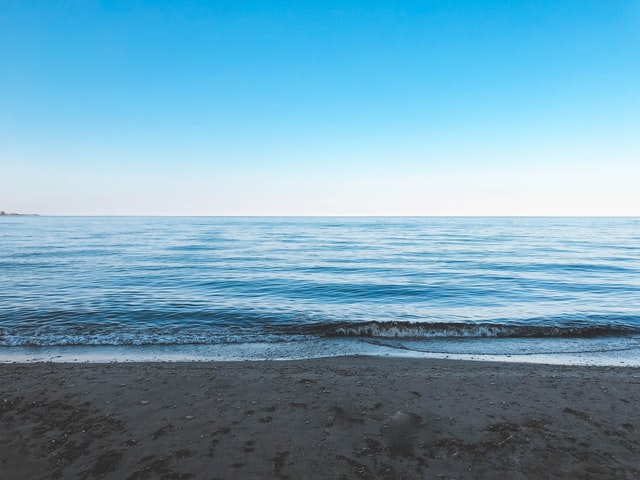
Canada has the longest coastline of any country in the world, stretching for approximately 243,000 kilometers (151,000 miles). The coastline includes countless bays, fjords, islands, and inlets, making it one of the country’s most remarkable geographic features.
6. Canada has vast forests
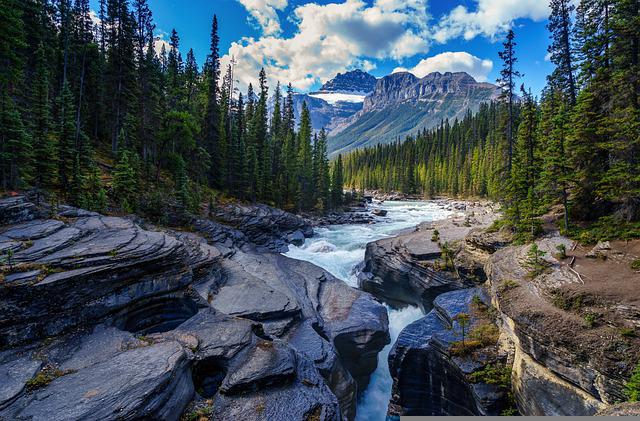
Canada is the third most forested country in the world, after Russia and Brazil (Source: GFRA 2025). Its vast forests provide habitat for a wide variety of wildlife, store enormous amounts of carbon, and play an important role in the country’s economy through the forestry industry.
(Also read: Top 10 Most Forested Countries in the World)
7. Canada has some of the world’s largest islands
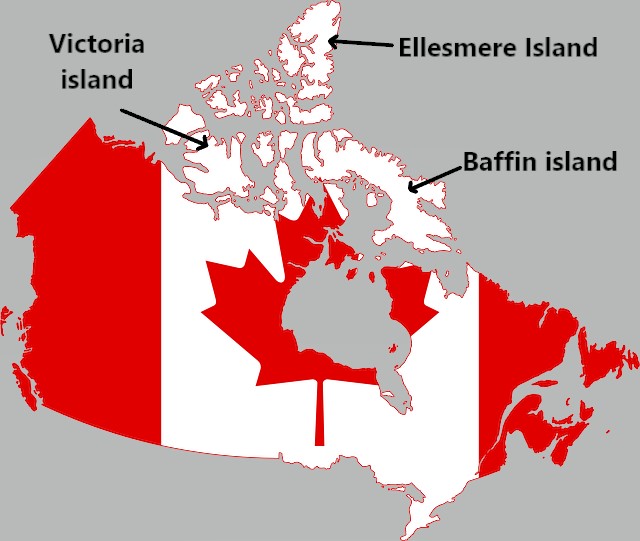
3 among the top 10 largest islands in the world are in Canada.
- Baffin Island (the fifth largest island in the world)
- Victoria Island (the eighth largest island in the world)
- Ellesmere Island (the tenth largest island in the world)
8. Canada has two official languages
English and French are the two official languages in Canada. English is the most widely spoken language across the country, while French is primarily spoken in the province of Quebec and in some parts of New Brunswick and Ontario. In addition to English and French, Canada is home to many Indigenous languages and hundreds of languages brought by immigrant communities from around the world.
9. Capital and largest city of Canada
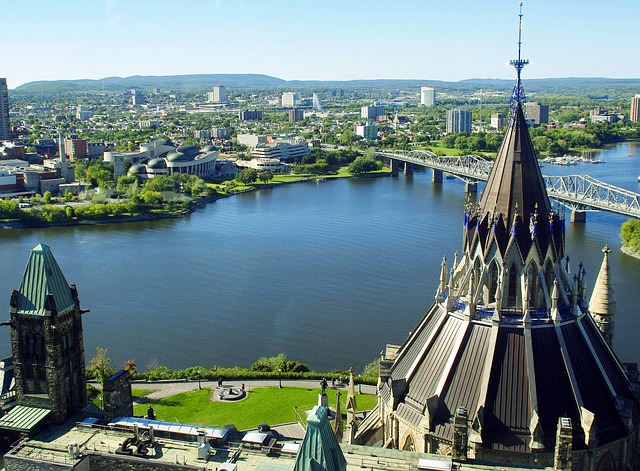
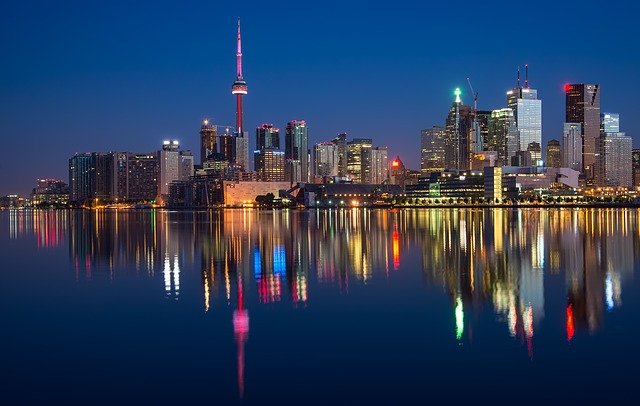
Canada’s capital city is Ottawa, located in the province of Ontario along the border with Quebec. The largest city in Canada is Toronto, which is also one of the most multicultural cities in the world. Toronto is the country’s financial and economic hub, known for its skyscrapers, diverse population, and vibrant cultural scene.
10. Provinces and Territories of Canada
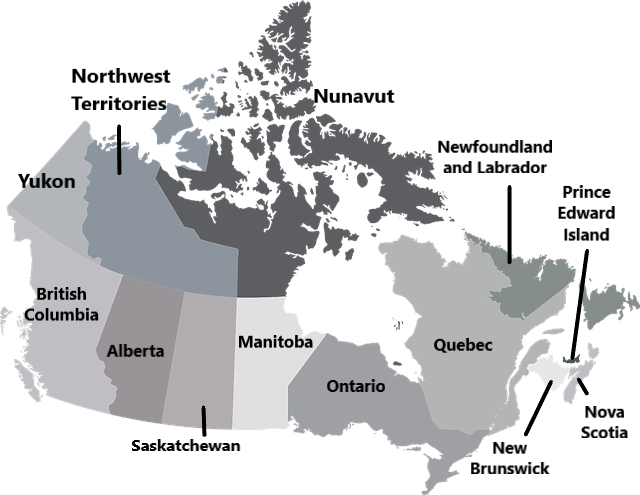
There are 10 provinces and 3 territories in Canada:
Provinces of Canada
- Ontario
- Quebec
- Nova Scotia
- New Brunswick
- Manitoba
- British Columbia
- Prince Edward Island
- Saskatchewan
- Alberta
- Newfoundland and Labrador
Territories of Canada
- Yukon
- Nunavut
- Northwest Territories
Basic Facts About Canada
| Total area | approximately 10 million sq km (3.86 million sq mi) |
| Area rank in the world | 2nd |
| Population | 40.1 million (2025 estimate) |
| Capital city | Ottawa |
| Largest city | Toronto |
| Currency | Canadian Dollar |
| Official languages | English and French |
| Most spoken language | English |